
A Room by Room Home Safety Review for Aging Parents
A home can feel familiar and still become harder to navigate. A loose rug, dim hallway, low toilet, steep basement stair, or hard-to-reach cabinet may not have mattered ten years ago. Changes in strength, balance, vision, medication, or mobility can turn ordinary features into daily obstacles.
A home safety review is not a judgment about whether your parent can live independently. It is a practical way to make independence easier and safer.
Begin at the entrance
Look at the route from the driveway or sidewalk to the door. Check for uneven pavement, loose steps, poor drainage, snow and ice concerns, weak railings, and inadequate lighting. Make sure the house number is visible to emergency responders.
Consider whether your parent can enter the home while carrying groceries or using a cane or walker. A secure handrail, brighter light, lever-style handle, package shelf, or no-step entry can make a meaningful difference.
Reduce fall risks inside
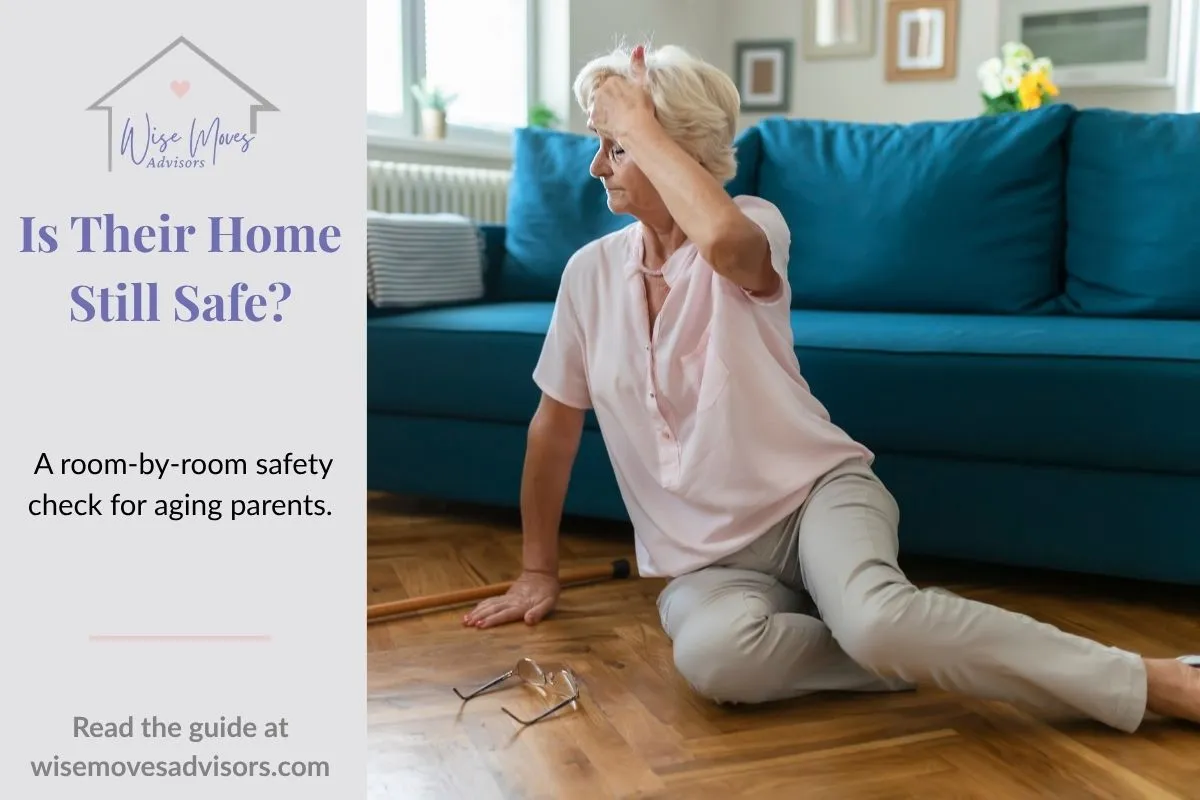
Walk through the home using the path your parent takes every day. Remove clutter and loose cords. Secure or remove throw rugs. Improve lighting at stairs, hallways, entrances, and the path to the bathroom. Check that frequently used items can be reached without climbing or bending deeply.
The CDC identifies factors such as balance problems, vision changes, certain medications, poor footwear, uneven steps, and tripping hazards as contributors to fall risk. Home changes work best when combined with attention to health, strength, vision, and medication concerns.
Pay special attention to bathrooms and stairs
Bathrooms combine hard surfaces, water, and transfers in a small space. Consider professionally installed grab bars, non-slip surfaces, adequate lighting, a hand-held shower, shower seating, and a toilet height that supports safe movement. Towel bars are not designed to support body weight.
Stairs should have sturdy railings, consistent step surfaces, clear edges, and switches at both ends. Avoid storing objects on steps, even temporarily.
Match improvements to the person
Do not buy equipment based only on a general checklist. An occupational therapist, physical therapist, aging-in-place specialist, or other qualified professional can recommend changes based on your parent's abilities, routines, and home.
Start with the changes that reduce the greatest risk while making daily life easier. Small, respectful improvements can help a parent remain confident in the home they value.
Want the full picture? Download the free Aging Parent Checklist, which covers every planning area in this series.
Keep planning: related guides
How to Talk With Aging Parents About Where They Want to Live
How to Discuss Driving With an Aging Parent Without Taking Away Their Independence
Helpful resources
How Wise Moves can help
You do not have to figure out every decision at once. Wise Moves Advisors helps families understand their options, organize next steps, and connect with trusted resources so they can move forward with greater clarity and confidence.

