
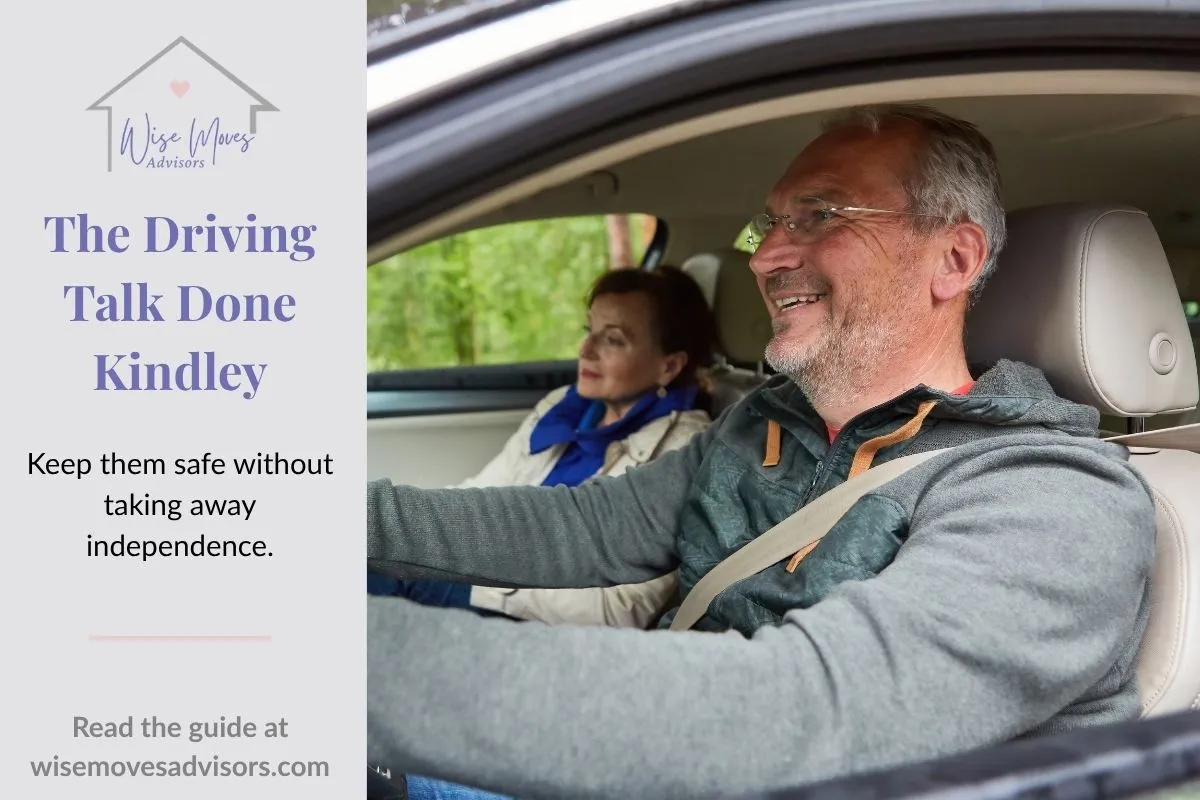
How to Discuss Driving With an Aging Parent Without Taking Away Their Independence
For many older adults, driving represents far more than transportation. It means independence, privacy, spontaneity, and connection. That is why a conversation about driving can feel like a threat, even when it begins with concern.
The most productive approach focuses on driving ability and specific observations, not age. It also pairs every concern with practical ways to stay connected to the people and places that matter.
Notice patterns rather than one imperfect trip
Look for repeated concerns such as new dents, close calls, confusion on familiar routes, difficulty turning to check traffic, delayed reactions, getting lost, traffic violations, trouble judging gaps, or avoiding driving conditions that were previously manageable.
Consider whether vision, hearing, pain, sleep, medication, or a health condition may be affecting driving. A medical appointment may identify a treatable issue or a need for further evaluation.
Choose the right time and messenger
Do not begin the conversation immediately after a frightening incident if everyone is angry or shaken. Choose a calm, private moment. The person your parent trusts most may not be the oldest child. A doctor, close friend, spouse, or other respected person may help.
Use specific, neutral language: 'I noticed you crossed the center line twice on the way home, and I was worried.' Avoid labels such as unsafe, stubborn, or too old.
Look for ways to reduce risk
Driving does not always have to stop at the first concern. Depending on the situation, an older driver may choose daylight driving, familiar routes, lower speeds, better weather, shorter distances, or avoiding heavy traffic. A driver rehabilitation specialist can assess skills and recommend training, vehicle adaptations, or other changes.
Serious concerns require prompt action, but the goal should still be a fair, objective process whenever possible.
Build the transportation plan before the keys are gone
List the places your parent needs and wants to go: medical appointments, groceries, worship, friends, exercise, volunteering, and social activities. Then match each need with family rides, friends, public transit, community transportation, ride services, delivery, or paid drivers.
A parent is more likely to consider driving changes when the alternative plan preserves choice and connection. The real goal is not simply to stop driving. It is to support safe mobility.
Want the full picture? Download the free Aging Parent Checklist, which covers every planning area in this series.
Keep planning: related guides
Helpful resources
How Wise Moves can help
You do not have to figure out every decision at once. Wise Moves Advisors helps families understand their options, organize next steps, and connect with trusted resources so they can move forward with greater clarity and confidence.

